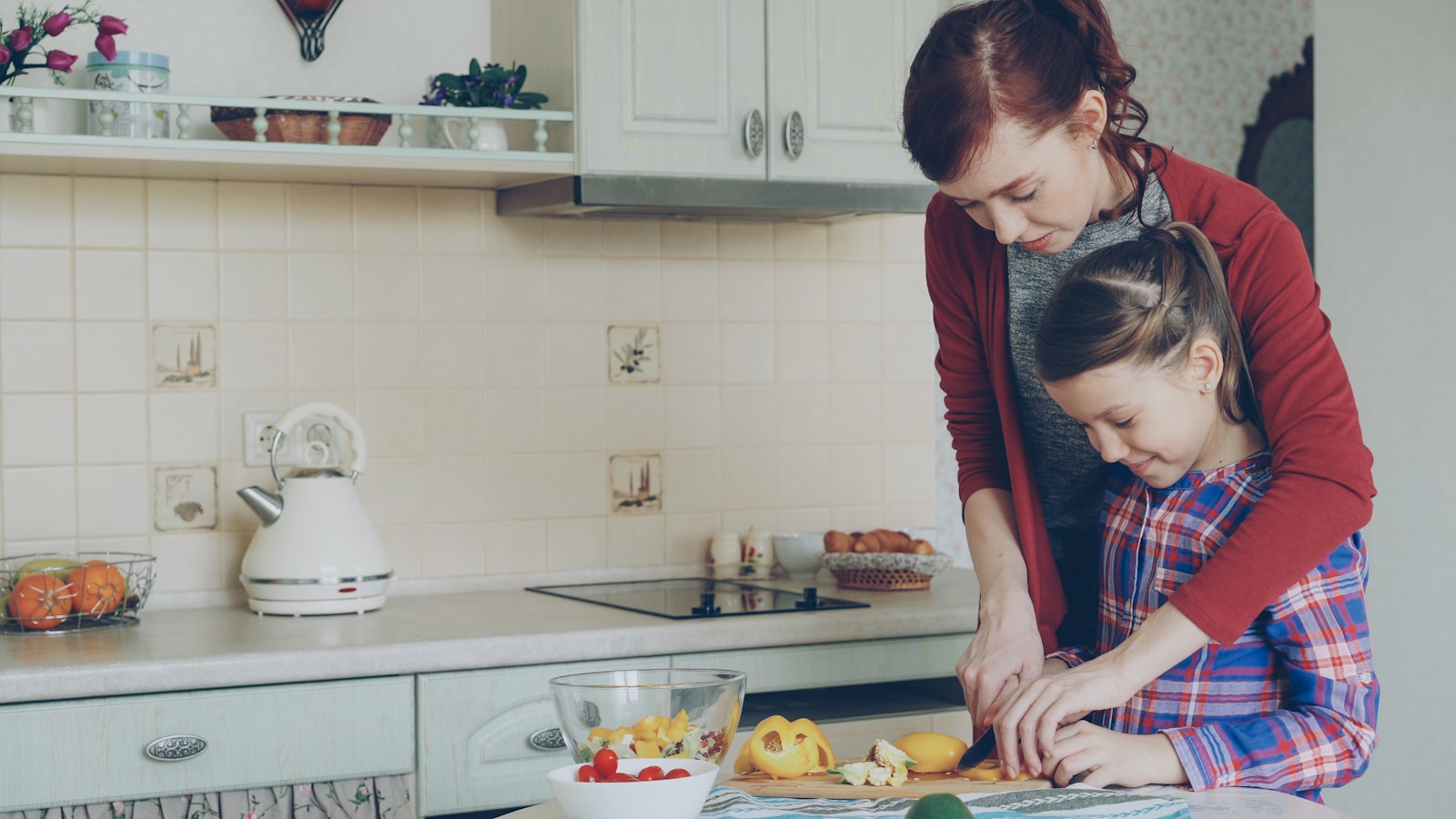
Cooking with parents and adult children in Ubud can turn a family holiday into shared time rather than a sequence of separate activities. A meal gives everyone a reason to work together, while the practical tasks can be adjusted for different interests, confidence levels and energy. One person may enjoy learning a technique, another may prefer preparing ingredients and someone else may value the conversation that happens around the table.
The best experience is not based on making every family member do the same thing. It comes from choosing a format where each person can contribute without feeling rushed or left out. Before booking, discuss the pace, menu, workstation, seating and amount of hands-on work. Those details usually matter more than a broad label such as authentic, interactive or cultural.
Begin with the kind of time you want together
Parents and adult children may arrive in Ubud with different ideas about the ideal day. One person may want a relaxed shared meal, while another hopes to learn a method that can be repeated at home. A short conversation before comparing classes helps the family decide what should be central: practical instruction, conversation, ingredients, a market visit or simply a comfortable activity that everyone can enjoy.
Make room for preferences without turning the decision into a vote about whose travel style is correct. Ask what would make the activity feel worthwhile for each person, then look for the overlap. That overlap is often a hands-on session with enough structure to guide the group and enough flexibility for family conversation.
Why a shared kitchen task can feel meaningful
Cooking creates small moments of cooperation. Someone prepares herbs, someone checks a mixture, another person watches the heat and the group decides how the meal should come together. The work is visible, so the family can see progress without needing a packed schedule of attractions.
The setting can also change the tone of a parent and adult-child relationship. A kitchen gives everyone a practical subject to discuss, which may feel easier than trying to maintain conversation during a long transfer or formal meal. The activity does not need to be sentimental to be valuable; shared attention is enough.
Choose a pace that respects both generations
Parents and adult children may have different energy levels, even when both are generally active. Ask how long the session lasts, how much of it involves standing and whether there are natural pauses. A class that moves from demonstration to preparation to tasting can feel more comfortable than one long stretch of uninterrupted instruction.
Consider the rest of the day as well. Leave space after the meal so nobody has to hurry to the next appointment. A slower return, a short rest or an unplanned conversation can be part of the shared experience. A good itinerary protects the activity from becoming another item to complete.
Compare private and shared formats
A private class may suit a family that wants to ask questions freely or work at a familiar pace. It can also make it easier to adjust a task when one person prefers to observe first. A shared class may be appealing when the family enjoys meeting other travellers and learning in a more social setting.
Ask how many guests normally use one workstation and how attention is divided. The word private does not by itself guarantee comfort, and shared does not automatically mean crowded. Look at the space, role rotation and instructor guidance together before deciding.
Give each person a real contribution
Parents may bring cooking habits that adult children did not grow up with, while adult children may be more comfortable with unfamiliar tools or new ways of following a recipe. Let each person choose a task that feels useful. One can prepare ingredients, another can manage a mixture and another can focus on tasting, timing or presentation.
Rotate when it makes sense, but do not force a person to take over a task they dislike. Participation can include asking a question, learning why a step is done, checking seasoning or helping bring the finished meal to the table. A meaningful role is not always the most technical one.
Use different cooking skills as an advantage
Unequal experience can make the class more interesting if the group treats it as a resource rather than a competition. A confident cook may want to understand the reasoning behind a technique. Someone less experienced may enjoy a slower introduction to ingredients, heat or seasoning.
Ask the instructor how explanations are adapted for mixed skill levels. Family members should be able to learn without one person correcting everyone else. Agree that questions are welcome and that the aim is to leave with a shared memory, not to prove who already knows the most.
Discuss the menu before you arrive
The menu affects how the family participates. Several dishes with different preparation steps can offer more variety than one recipe with a single central task. Ask what guests prepare, how much of the menu is demonstrated and whether the family can discuss important dietary preferences before the session.
Be specific about allergies, intolerances and ingredients that someone strongly avoids. Ask how substitutions work rather than assuming every dish can be changed. Clear information helps the group choose a suitable activity and prevents one parent or adult child from carrying all the responsibility for food questions on the day.
Look beyond the cooking table
Comfort begins before the class. Check the meeting point, transport arrangements, expected arrival time and total duration. If the family is staying in different parts of Bali, agree on how everyone will reach the venue and how much buffer is needed for traffic.
Ask about seating during demonstrations and the meal. A family member may be happy to stand for practical work but prefer a chair while listening. Small adjustments can make the session feel more welcoming without changing the learning goal.
Keep conversation natural during the activity
A cooking class should not require constant conversation to be successful. There will be moments when everyone concentrates, followed by pauses for questions, tasting or watching something cook. That rhythm can be more comfortable for parents and adult children than an activity that demands continuous interaction.
Use the practical steps as prompts rather than topics that must be completed. Talk about ingredients, family meals, methods used at home or what everyone wants to remember from Bali. The activity becomes shared time without requiring anyone to perform closeness.
Use the wider guide to compare family needs
Parents and adult children are one form of multigenerational travel. The guide to solo travelers friends and multigenerational groups Ubud cooking experience helps you compare how group size, pace, confidence and expectations can change the right cooking format. Use that wider view to discuss which parts of the experience matter most to your family.
The comparison is useful when one person wants a private setting and another prefers a social class. It helps the family focus on practical fit rather than choosing only from a headline. Once the group agrees on the important conditions, the booking questions become much easier.
Ask these questions before booking
Confirm the usual group size, workstation layout, task rotation, menu, dietary process, time on feet, seating, supervision, transport and total duration. Ask what happens when one guest needs a slower explanation or a short break. If a market visit is included, check how much walking and time outdoors it involves.
Cooking with parents and adult children in Ubud works best when the activity gives everyone a way to contribute at a comfortable pace. Choose enough structure to support learning, enough flexibility for family conversation and enough time to enjoy the meal without rushing. For the destination context and next step, visit Cooking Lessons Ubud.