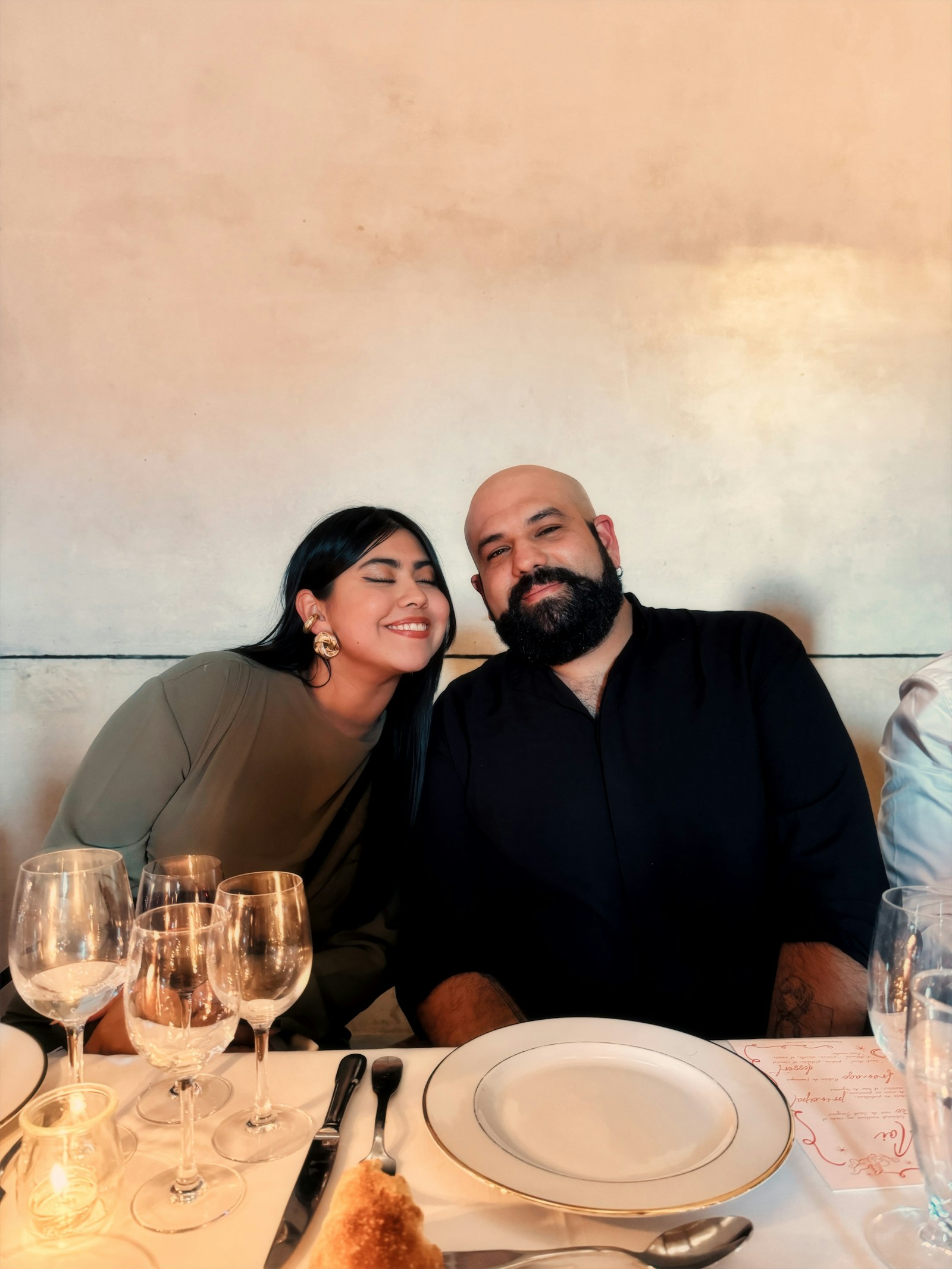
Food-loving couples in Ubud have two very different ways to make a meal the centre of a holiday: learning to prepare it together or sitting down to a carefully composed fine-dining menu. Neither choice is automatically more memorable. The better fit depends on how much participation, conversation, ceremony and time you both want from the experience.
A cooking class gives the meal a beginning, middle and end that you help create. Fine dining gives you a finished menu and the space to focus on flavour, service and each other. Comparing them as if one were simply a cheaper or more expensive version of the other misses the real decision. They serve different moods and different kinds of food curiosity.
Begin with the kind of food memory you want
Start by describing the memory rather than naming the activity. Do you want to remember the two of you working at the same bench, tasting a sauce and laughing when a step needs adjusting? Or do you want to remember a sequence of dishes arriving with thoughtful presentation while the evening grows quieter and more refined?
That question is useful because a couple can be equally enthusiastic about food while wanting opposite levels of involvement. One person may enjoy learning the reason behind a spice blend, while the other may prefer to be surprised by a dish they would not have ordered alone. Both are valid forms of food appreciation.
It also helps to separate the meal from the occasion. A cooking class can feel active and generous without needing a birthday or anniversary attached to it. Fine dining can suit a celebration, but it can also be the calmest way to close a busy day. Let the purpose of the outing guide the choice instead of making the price or the word “special” do all the work.
A cooking class is participation, not only lunch
The strongest reason to choose a cooking class is the shared process. You are not simply receiving Balinese food; you are paying attention to ingredients, methods and timing. The meal becomes evidence of what you did together, even when the class is guided by a local cook and the difficult parts are explained clearly.
That makes a class a good fit for couples who enjoy small decisions. You may discuss how much chilli feels right, notice how a paste changes as it is ground, or compare the aroma of herbs before they reach the pan. These moments are ordinary in scale, but they give the day texture that a restaurant reservation cannot reproduce.
A class can also create a more natural rhythm of conversation. There are tasks to share and pauses while food cooks, so the evening does not depend on keeping a conversation going across a formal table. If both people like doing something with their hands, the activity can feel relaxed even when the menu or technique is unfamiliar.
Fine dining is a composed evening
Fine dining changes the role of the couple from participants to attentive guests. The kitchen has already made the decisions about preparation, balance and presentation. Your work is to notice how the courses develop, ask questions if you wish, and give the meal enough time to unfold.
This can be the better choice after several active days in Ubud. When you have already walked, travelled, explored or attended a class, a seated meal may provide the contrast you need. The pleasure comes from being looked after for a while, with fewer practical decisions between the first course and the last.
A composed menu can also suit couples with different cooking confidence. The person who rarely cooks does not need to keep pace with a lesson, and the enthusiastic home cook can concentrate on tasting rather than demonstrating. You share the same table without having to enjoy the same level of kitchen activity.
Compare the time shape before comparing the menu
A cooking class usually occupies a defined block that may include arrival, preparation, cooking and a meal. The exact shape depends on the provider and the selected format, so confirm the current schedule before building the rest of the day around it. A class can feel spacious while you are inside it but still needs a realistic travel buffer on both sides.
Fine dining has a different time shape. A tasting menu may ask you to stay present for a longer sequence, while an a la carte meal can be more flexible. Dinner service also tends to create a clearer evening boundary. That may be useful when you want to protect the afternoon for a walk, a spa visit or a quiet return to your accommodation.
Do not compare an estimated class duration with a restaurant booking time as if they measure the same thing. A class includes doing, waiting and eating. Fine dining includes receiving, tasting and pausing. The right question is not which one is faster, but which form of time matches your energy on that day.
Choose a cooking class when curiosity needs a place to go
Cooking is usually the stronger choice when both partners want to understand how a dish becomes itself. You can pay attention to the order of ingredients, the texture of a paste and the way heat changes a simple preparation. That kind of curiosity is active, and a guided lesson gives it a clear setting.
Choose the class when you want the conversation to include the local food culture without turning the outing into a lecture. Ask how the ingredients are used at home, which parts of the menu are prepared in advance, and what changes with the season. Good questions create connection without requiring you to pretend that the experience belongs to you.
A class is also a thoughtful option for couples who want a useful souvenir. The most valuable takeaway may not be a recipe copied word for word. It may be a new way to recognise aromatics, combine flavours or approach a dish patiently when you cook at home later.
Choose fine dining when attention should feel effortless
Fine dining is often the better fit when the main luxury is attention. You want to sit down, order or follow a set menu, and let the service carry the practical details. This can be especially appealing when one of you has spent the day organising transport, reservations or activities.
It suits a couple that enjoys discussing flavour without needing to produce anything. You can compare textures, notice how a familiar ingredient is presented differently, or decide whether a course is more interesting for its restraint or its intensity. The conversation can stay with the food rather than the next task.
Fine dining may also make sense when the occasion calls for a polished finish. That does not mean the evening has to become overly formal. Check the restaurant’s current dress guidance, service hours and menu format, then choose a setting where both people can sit comfortably. Ceremony works best when it still feels like you.
Use the day to separate the two experiences
If you are tempted by both, the answer does not have to be an immediate either-or. The two experiences can work in different parts of a longer Ubud stay. A cooking class can give one morning or afternoon a practical, social focus, while fine dining can be reserved for an evening when you want a slower table and a more finished presentation.
On the same day, however, be careful about stacking them too closely. A substantial cooking lesson already includes food, and a full tasting menu soon afterwards may feel like a second obligation rather than a treat. If both must happen on one day, keep the gap generous and make sure neither booking is dependent on an optimistic transfer.
Another workable pattern is to let the experiences answer different questions. The class can show you how ingredients are handled and combined. The restaurant can show you how a chef turns ideas into a sequence for the guest. The contrast is more interesting when you give each activity its own space instead of comparing them course by course.
Look at food priorities, not only restaurant labels
“Fine dining” covers several styles, from a carefully paced degustation menu to a more flexible restaurant with refined technique. “Cooking class” also covers more than one format. Some lessons emphasise market ingredients and local preparation, while others focus on a comfortable kitchen, a specific menu or a private pace.
Read the current description for what the experience actually asks of you. Look for the meal format, the amount of hands-on work, the language of instruction, the group size and whether dietary needs can be discussed in advance. These details tell you more than the category name.
Food-loving couples should also compare what they want to taste. A class may be ideal if learning about Balinese spice pastes and everyday dishes is the point. A restaurant may be more suitable if you want a sequence built around seasonal produce, modern technique or a particular chef’s point of view. Neither goal is more serious; they simply lead to different evenings.
Questions to ask before booking a cooking class
Ask what the class includes from arrival to the final meal. Does the schedule involve a market visit, a garden, preparation, cooking and lunch, or is it a shorter kitchen session? The answer affects footwear, transport, appetite and how much of the day remains available afterwards.
Check how the class handles dietary restrictions and different levels of experience. A couple does not need identical preferences, but both people should know whether they can adapt a dish or discuss an ingredient before booking. Clear communication is more helpful than assuming a menu will change automatically.
Confirm the meeting point, start time, finish time and cancellation terms from the current provider information. These are practical details, yet they determine whether the class feels relaxed. Leave enough room for a late breakfast, a delayed driver or the simple need to pause after the meal.
Questions to ask before reserving fine dining
Ask how the menu is structured and how long the restaurant expects the meal to take. If the experience is a tasting menu, check whether there are alternatives for allergies, dietary restrictions or ingredients one of you cannot eat. Restaurants can often help when they have notice, but the request needs to be made before the service begins.
Look at the practical setting as well as the menu. Consider the journey at night, the seating arrangement, the level of formality and whether you will be comfortable remaining at the table for the full service. A beautiful room is not automatically the right room for every couple or every travel day.
Finally, confirm the latest menu, opening hours and reservation instructions directly with the restaurant. Menus, prices and service arrangements can change. Treat online descriptions as a starting point for a conversation with the venue, not as a promise that every detail will remain the same.
Make the choice about togetherness, not performance
Couples can turn food into a quiet competition: who understands more, who chooses the better restaurant, or who has the more sophisticated palate. That pressure rarely improves the day. A cooking class is not a test of kitchen ability, and fine dining is not a test of status. Both are invitations to pay attention.
Choose the experience where both people can be present without performing a version of a perfect holiday. If you want to work, taste and learn together, make the cooking class the anchor. If you want to be served, slow down and notice a composed menu, reserve fine dining. If each of you wants something different, discuss whether the stay has room for both rather than forcing one activity to satisfy every preference.
The best Ubud food plan is the one that leaves a couple with something to talk about on the way back: a technique, a flavour, a surprising course or simply the feeling that the evening had the right pace. For the current destination and booking context, review Cooking Lessons Ubud and confirm the latest session details before making the reservation.