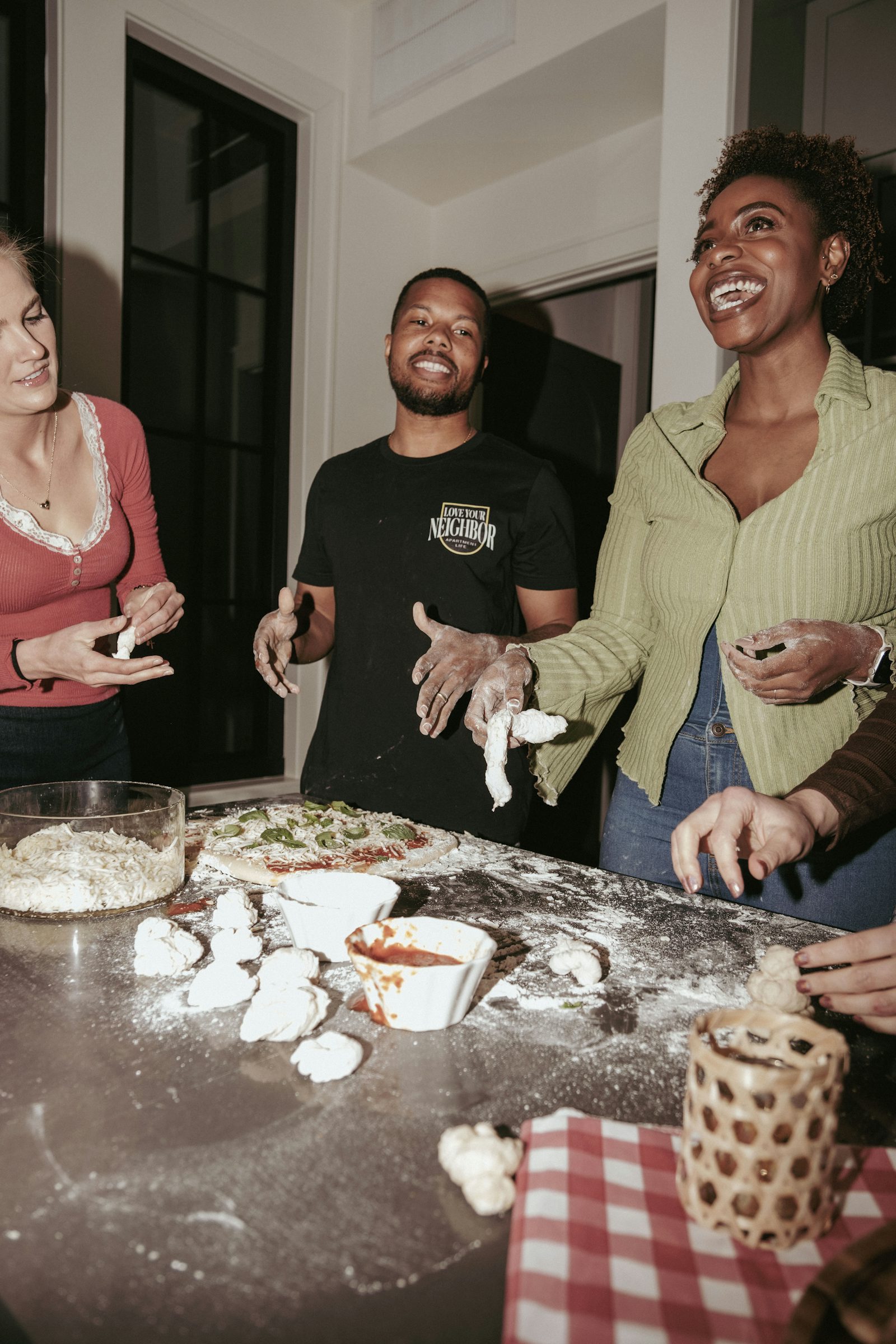
Non-cooks can enjoy a cooking class with friends who love cooking when the activity gives everyone a comfortable way to participate. The person who rarely cooks does not need to arrive with confidence or technical knowledge. They need clear guidance, an approachable first task and enough room to learn without feeling compared with the friend who already knows how to handle every ingredient.
The decision depends less on whether the group has equal enthusiasm and more on how the class is organised. Before booking, ask how the instructor supports beginners, how roles are shared, what the menu involves and whether guests can observe before taking a turn. A good group format lets enthusiastic cooks explore technique while non-cooks remain part of the meal, conversation and practical work.
Define what non-cooking friends want from the day
A non-cook may still be interested in local ingredients, a shared meal, travel stories or a relaxed activity with friends. They may simply not want a class that assumes prior knowledge. Ask what would make the session worthwhile for them before the group compares menus and schedules.
Some guests enjoy learning one or two useful steps. Others prefer to watch the demonstration, help prepare ingredients or join during tasting. None of those choices means the person is not participating. The important point is that the group agrees on a broad purpose instead of expecting everyone to become equally interested in cooking.
Why different skill levels can work well together
Friends with different cooking backgrounds can create a balanced group when nobody treats the activity as a test. A confident cook may bring curiosity about technique and flavour, while a non-cook may notice the atmosphere, ask basic questions or help the group slow down. Those contributions can support one another.
The risk appears when one friend takes over because they are trying to help. Agree in advance that the experienced cook can share knowledge without controlling every task. A non-cook should have time to try, ask for help and decide whether to repeat a step. Shared learning feels more social when advice does not become correction.
Choose a format that makes entry easy
Ask how the session begins. A short explanation of ingredients, tools and the order of work can make the first task feel manageable. The opening should tell beginners what to expect without filling the day with technical language or assuming that everyone already knows basic kitchen terms.
Look for a sequence that moves from demonstration to a simple practical step, then builds from there. Preparing herbs, mixing ingredients, arranging a workstation or checking seasoning can be a useful introduction. The first contribution does not need to be the most difficult one to feel meaningful.
Give skilled cooks enough to explore
Friends who love cooking should also receive value from the class. Ask whether the instructor explains why a method is used, how flavours are balanced and what choices guests can make. A skilled cook may enjoy understanding a local ingredient or seeing a familiar process handled in a different way.
Depth does not need to separate the group. The instructor can answer a technical question while showing the rest of the guests what the decision changes in the finished dish. That approach gives the experienced cook a reason to stay curious and gives the non-cook a visible explanation rather than an unexplained instruction.
Use roles that do not all require knife skills
A cooking class includes more than chopping and heat. Guests can wash or sort ingredients, measure, mix, taste, watch timing, arrange a plate or help bring the meal together. Ask how the class divides these jobs and whether people can rotate without interrupting the flow.
Do not assign the least confident guest a role that makes them feel like an assistant to the real cooks. Let them choose between two or three suitable tasks and offer a clear explanation before they begin. Autonomy matters. A small decision about seasoning or presentation can help a non-cook feel that the finished meal also belongs to them.
Compare private and shared classes
A private class can be useful when the group wants to adjust the pace or ask many beginner questions. It may also reduce the pressure a non-cook feels when learning in front of unfamiliar guests. A shared class can work when the friends enjoy meeting other travellers and do not need every step tailored to their group.
Ask how many people normally use a workstation and how the instructor keeps guests connected. The label private or shared does not reveal whether the session will feel inclusive. The practical details are group size, task rotation, sight lines, explanation time and whether a person can take a short pause without losing their place.
Choose a menu that creates several kinds of work
Menus with different preparation stages can help mixed-skill groups. One person may enjoy preparing a paste, another may prefer mixing, and another may want to understand how heat changes the dish. A menu with several roles gives non-cooks a way to contribute while confident cooks still have enough detail to enjoy.
Check dietary requirements and strong dislikes before booking. Ask which parts of the menu guests prepare and which parts are demonstrated or completed by the kitchen team. A non-cook with an allergy should not have to guess whether their food is safe, and the rest of the group should know how much flexibility is realistic.
Keep the pace calm enough for questions
Beginners need time to listen, look at the ingredients and ask what happens next. A very fast class can make a non-cook feel lost while the experienced friend moves ahead. Ask about the total duration, the pace between demonstrations and whether the group has natural pauses for tasting or checking progress.
Plan the cooking class as part of the wider day. Leave room after the meal so the group can talk without immediately rushing to another appointment. A comfortable schedule helps friends notice what they are doing and keeps the activity from becoming a performance of speed.
Keep the social part separate from kitchen confidence
A person can be quiet in the kitchen and still enjoy the group. Some guests become more comfortable after watching for a while. Others prefer to talk while completing a simple task. Let the rhythm change between concentration, questions, tasting and conversation instead of expecting constant enthusiasm.
Friends can support a non-cook by inviting them into a decision without placing them on the spot. Ask whether they want to taste, mix, observe or take the next turn. A calm invitation gives them control and avoids turning the class into a public lesson about what they do not know.
Use the wider group guide to compare fit
Non-cooks and enthusiastic home cooks are one example of a group with different expectations. The guide to solo travelers friends and multigenerational groups Ubud cooking experience gives a broader way to compare participation, pace, privacy and the amount of support different guests may need.
Use the comparison to focus on the right questions. Is the group looking for a detailed lesson, a shared meal, a private setting or an activity where everyone can choose a lighter role? Once that priority is clear, the class can be judged by how well it supports the group rather than by whether every guest describes themselves as a cook.
Ask practical questions before booking
Confirm the workstation layout, group size, menu, dietary process, task rotation, beginner support, time on feet, seating, total duration and transport. Ask whether a guest can observe before trying, whether the instructor explains basic tools and whether a confident cook can ask deeper questions without taking over the session.
It is also useful to ask what happens if a guest needs a short break or does not want to handle a particular tool. Clear answers help the group agree on expectations before arrival. They also make it easier for the non-cook to join without pretending to have an interest or skill level they do not have.
Let every friend contribute in a different way
Non-cooks can enjoy a cooking class with friends who love cooking when the activity treats participation as broader than technical performance. The experienced friend gets room to learn, the beginner receives patient guidance and the whole group has time to share a meal. That balance is easier when roles, pace, menu and comfort are discussed before booking.
For the destination context and the next step, visit Cooking Lessons Ubud.