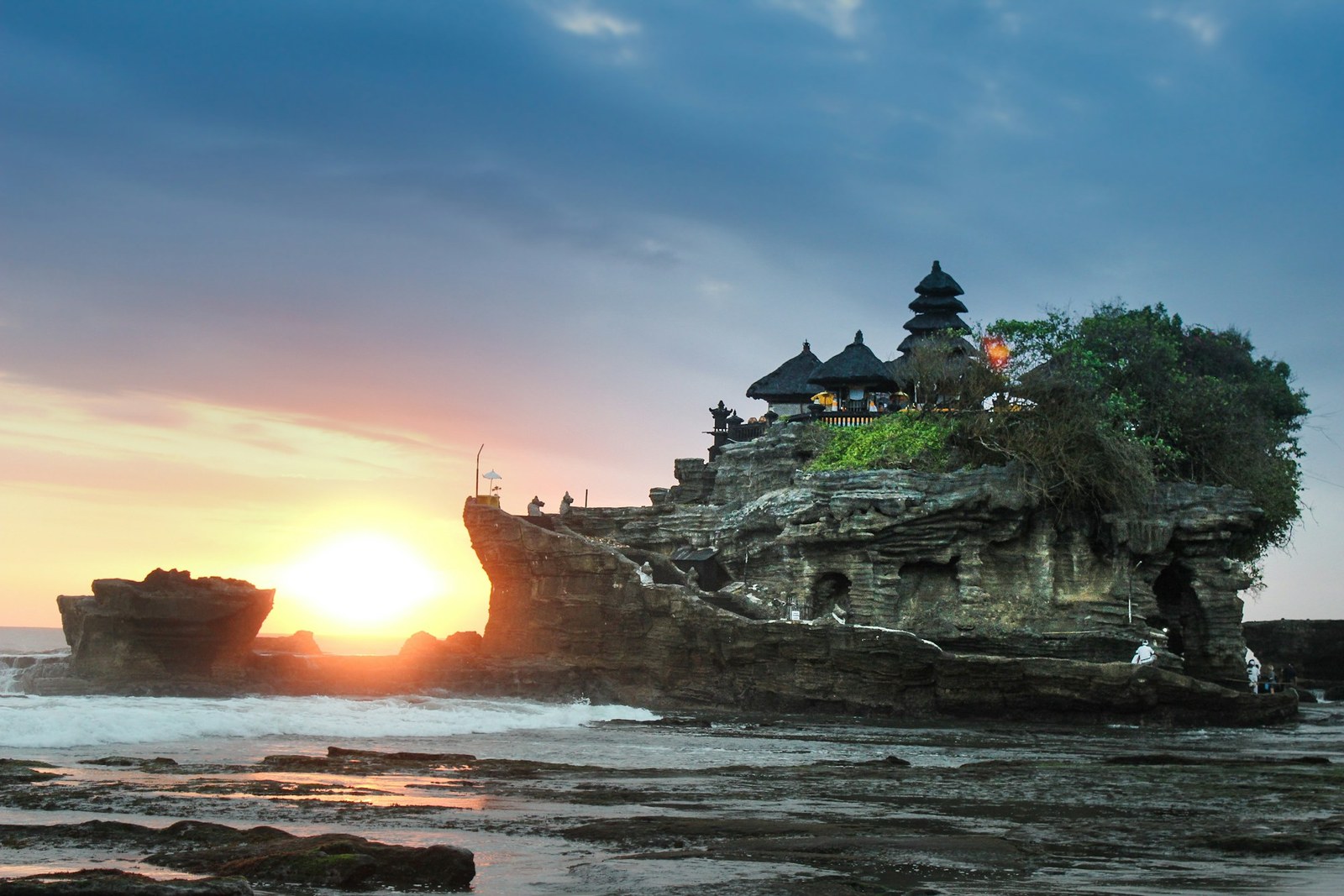
Goa Garba is a sacred heritage site in Pejeng Kelod, east of central Ubud, on the west side of the Pakerisan River. Public descriptions refer to a carved cave or niche and an old meditation or heritage setting. The place is better understood as a quiet archaeological and spiritual stop than as a simple photo cave. A visit needs respectful dress, careful movement and a clear distinction between what a listing suggests and what the current local conditions allow.
The research file combines a live map listing with Tripadvisor, GetYourGuide and public heritage references. It is not a first-hand account. Because the secondary travel footprint is small, treat the map pin as a location aid and confirm payment, access, guide availability and ritual boundaries with the local contact before leaving Ubud.
Where is Goa Garba?
Google Maps places Goa Garba on Jalan Kelusu in Pejeng Kelod, Tampaksiring, Gianyar. Public travel results describe the site as being near the Pakerisan River and around a short drive east of Ubud, but actual road time depends on the hotel, weather and traffic. Save the exact map pin rather than telling a driver only that you want a cave near Ubud.
The name can be confused with other Bali heritage places. Goa Garba is not Goa Gajah, and it is not the same destination as the Gunung Kawi complexes. Check the address, map photos and site name before paying for transport. A broad “temple tour” description can combine several stops without explaining which entrance or walking conditions apply at Goa Garba itself.
What can a visitor verify before setting out?
The location card checked for this guide showed about 4.8 from 208 reviews and an opening signal near 09:00. Comments repeatedly pointed to nature, meditation, walking and a sacred atmosphere. Tripadvisor supplied only a light review sample, while GetYourGuide displayed a private itinerary combining Goa Garba with waterfalls and a rice terrace. These are useful planning clues, not proof of a uniform visitor system.
The same listing carried a ticket indication near Rp30,000, while older references and review snippets showed other amounts, including a lower local figure. Treat those numbers as dated signals rather than one fixed tariff. The difference could reflect visitor type, a donation custom, tour inclusion, a local collector or another product. Ask who receives the money, what the amount covers and whether a receipt or guide is included.
What is the visit likely to involve?
Public descriptions point to carved stone, a cave or niche, greenery, river surroundings and a route that descends from the entrance. The exact surface, stairs, shade, water and access may vary. A visitor should be prepared for uneven ground and a return climb rather than assuming a flat museum-style walkway. Wear secure shoes and carry only what is necessary.
Online descriptions mention meditation and spiritual use; they do not establish that visitors may join a ceremony, yoga session or purification ritual. A photograph should never be the reason to stage an activity. If a local guide or temple representative explains a permitted practice, follow that direction and accept that some areas may be closed or restricted.
How should you dress and behave?
Goa Garba is a sacred setting, so modest clothing is the sensible baseline. Carry a sarong if the entrance requires one and cover shoulders and knees. Get permission before a camera includes worshippers, offerings or active prayer spaces. Do not step over offerings, touch carved surfaces, climb for a better image or speak loudly in a quiet shrine area.
Respect the distinction between a heritage object and a prop. A relief or niche should not be rubbed, leaned against or used as a backdrop for unsafe poses. Follow local signs and the current directions of the site attendant. If a small payment is requested for access or a guide, ask politely what it is for and keep the decision transparent to the group.
Who should check the route first?
Guests with limited mobility, knee problems, recent injuries, pregnancy concerns or low confidence on stairs should ask for current access details before booking. A short map distance does not describe the descent, surface or return climb. Children need close supervision near steps, river edges and stone surfaces. Rain can make the route slippery even when the weather in central Ubud looks acceptable.
Plan the stop as part of a flexible heritage day. A tour product may combine Goa Garba with other attractions, but each stop has its own etiquette, parking and time needs. Leave room for a slow descent, a local explanation, a change in weather and the return drive. A separate airport transfer or cooking lesson deserves its own buffer after a multi-stop temple route.
How does it compare with another cave site?
For a better documented Ubud heritage comparison, read the Goa Gajah Ubud guide. The two names are not interchangeable. Compare location, scale, ticket process, walking demand, public information, sacred boundaries and the reason your group wants to visit. A quieter site is not automatically better, and a busier site is not automatically less meaningful.
If the day also includes a kitchen appointment, use Cooking Lessons Ubud as a separate booking. A heritage visit and a cooking class have different timing, clothing and participation needs. Separate appointments leave time to recover from stairs and heat before entering a kitchen.
Questions before visiting Goa Garba
- Is the site open on the chosen day, and where is the current entrance or payment point?
- What does the current ticket or local contribution cover?
- How many stairs, uneven sections and slippery areas should the group expect today?
- Is a guide available, and which areas or ceremonies are actually open to visitors?
- What clothing, photography, offering and behavior rules apply at the current entrance?
Bottom line for Goa Garba from Ubud
Goa Garba suits travelers who want a quieter heritage and spiritual setting rather than a conventional attraction with a large visitor system. The location card has a strong rating signal, but the limited OTA footprint and mixed ticket references make a final local check essential.
Save the right pin, prepare for uneven access, dress respectfully and avoid inventing a ritual or fixed price. That gives a Goa Garba plan useful depth while leaving room for the site’s sacred boundaries and changing operating conditions.