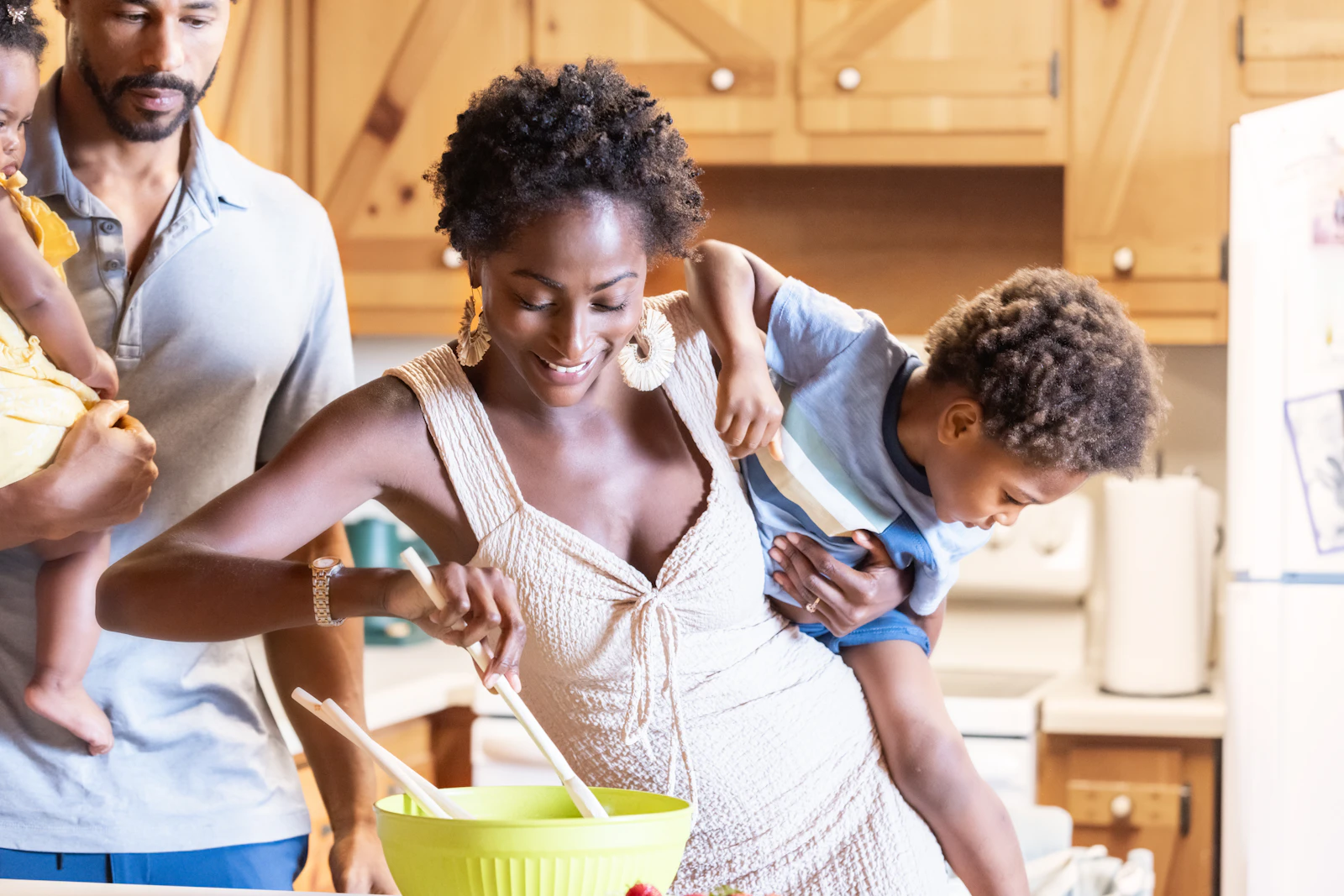
Parents often want a number: how long can a young child realistically stay interested in a cooking class? There is no dependable universal answer. A child may focus deeply on rolling, mixing or shaping for ten minutes, lose interest during an explanation, then become fully engaged again when the next ingredient appears. Cooking is not one continuous attention task. It is a sequence of changing jobs, waits, smells, textures, conversations and eating.
That is why the total duration printed on a booking page can be misleading for families. A two-hour children’s class can feel long if the child spends much of it waiting. A four-hour family experience can work surprisingly well if it is broken into short activities, movement, food and rest. What matters is how the time is structured.
Separate the Cooking Time From the Whole Outing
Ubud cooking experiences often include much more than the time at the stove. A morning may involve hotel pickup, a market visit, a drive to the kitchen, introductions, food preparation, the meal and return transport. Some current programs advertise four to five hours overall even though the active cooking portion is much shorter. Others offer dedicated children’s classes around two hours.
For a young child, every part uses energy. Thirty minutes in a busy market and a drive through traffic count toward the day’s attention load even though the cooking has not started. Parents should therefore plan for the complete outing, not only the advertised hands-on segment.
Young Children Often Engage in Bursts
A child does not need to remain focused on the same bowl for an hour to enjoy a cooking class. Short bursts can be enough: wash something, mix something, watch a change happen, move to another station, shape a portion, take a break, then return for the next step. A well-designed family class uses those natural changes instead of expecting classroom-style concentration.
This is also why a single formula such as “age multiplied by a certain number of minutes” is not useful for travel planning. Interest depends on the task, familiarity, hunger, sleep, temperament, noise, heat and whether the child can see a clear result from what they are doing.
Hands-On Jobs Usually Hold Attention Better Than Explanations
Long verbal introductions can lose a young child quickly, especially in an unfamiliar language environment. Concrete jobs are easier to follow. Measuring a spoonful, grinding a spice, mixing a cool bowl or shaping food gives the child an immediate purpose.
Parents should not interpret wandering attention during an adult explanation as proof that the entire activity has failed. The useful question is whether the child re-engages when a new practical task begins. A host who can alternate brief explanation with action is more likely to keep a mixed-age family involved.
Changing the Type of Task Can Reset Interest
Cooking naturally offers variety. A child may move from sorting ingredients to pounding, from pounding to shaping, then from shaping to watching an adult cook the finished component. The sensory and physical change can refresh attention without needing a formal entertainment break.
This is one reason family-oriented programs often feature several simple tasks rather than one long technical recipe. Current Ubud family offers describe children grinding spice paste, rolling or molding food, harvesting ingredients and participating in different stages. The value is not only that the tasks are safe; the variety helps prevent the class from becoming one repetitive activity.
Waiting Time Is Often Harder Than Cooking Time
Children can tolerate a surprisingly long outing when they have something to do. The difficult moments are often the gaps: waiting for another group to finish, listening while an adult asks detailed questions, watching food cook with no task available, or sitting through several dishes they are not helping prepare.
When comparing classes, ask how stations are organized. Does each family have work to do, or do participants take turns watching one demonstration? Can a younger child step away and return? Are there natural breaks before the meal? These design details can matter more than whether the published duration is two hours or three.
Food, Water and Sleep Change the Answer
A rested child after breakfast may have a very different experience from the same child after an early pickup, missed snack or shortened nap. Morning market programs can be excellent for children who wake early and enjoy activity. They can be difficult for a child whose best energy arrives later in the day.
Families should work backward from the child’s usual rhythm. If the child still naps, protect that window when possible. If hunger causes rapid frustration, ask when food is first served and whether there is a suitable break. A cooking class should fit into the family day rather than forcing the entire day around the class.
Do Not Expect the Youngest Child to Complete Every Dish
Parents sometimes assume that full participation means staying at the table from beginning to end. That standard is unnecessary. A young child can make two or three meaningful contributions, take a break with a parent, then return for another interesting step or for the meal.
This is especially practical in a private family booking. One adult can keep cooking while another briefly helps the child reset. The family still shares the experience without turning the youngest participant’s attention span into a test they must pass.
Plan a Backup Without Turning the Class Into Screen Time
A simple backup can prevent a short attention drop from becoming a family crisis. Depending on the venue, that might mean a small quiet toy, a drawing activity, a familiar book or a short walk with one parent. The purpose is not to entertain the child for the entire class. It is to give them a safe pause until they are ready to rejoin.
Young children may enjoy the main activity and still need an off-ramp before the adults are finished. A quiet toy, book or other simple pause option can help the child reset without forcing the whole family to end the lesson early.
A Market Visit Can Add Interest or Spend It
Traditional markets can be visually rich and educational. Children can see fruits, vegetables and spices before they appear on the cooking table. For some families, that makes the meal more meaningful. For others, the noise, crowds, early start and extra walking use up the child’s best attention before the cooking begins.
If the kitchen is the main reason for booking, a cooking-only option may be a better fit for a child who tires easily. There is no prize for choosing the longest itinerary. The better experience is the one that preserves enough energy for the part your family values most.
How to Judge a Class Before Booking
Ask how long the active cooking lasts, how long the complete outing lasts, when children eat, whether there are breaks, whether the family shares a station, and whether a child can step away without disrupting the group. If the class is private, ask how flexible the pace is when a child needs a pause.
Also ask what children actually do. A two-hour program with long demonstrations can be harder than a longer program with frequent changes of task. Duration only becomes meaningful when you understand the rhythm inside it.
What This Means for Pak Lunga Families
Pak Lunga’s project information describes the hands-on cooking portion as approximately 1.5 hours, with additional time for transport, an optional market stop, arrival and the shared meal. Direct bookings are private for one reservation group. That structure can make pacing easier to discuss, but it does not guarantee that a young child will stay engaged for the entire outing.
Parents should share the children’s ages and usual rhythm before confirmation, especially when booking the early market option. Children ages 5 to 11 use the child rate and infants ages 0 to 4 join free, but a free infant still needs an accompanying adult who can step away from cooking when necessary.
Think in Activity Blocks, Not a Single Attention Limit
The strongest question is not “Can my child concentrate for two hours?” Very few family activities require two uninterrupted hours of the same concentration. Ask instead whether the itinerary offers a sequence your child can manage: travel, a short exploration, several hands-on jobs, pauses, a meal and a return journey.
If those blocks fit your child’s sleep, hunger and temperament, a longer experience can work well. If the schedule is rigid, waiting is heavy and the child has no safe way to pause, even a shorter class may feel difficult. In Ubud, the best family cooking schedule is the one designed around how children actually engage: in changing, practical bursts.
Families can use the current Balinese cooking class Ubud overview to check the format and pickup details before booking.