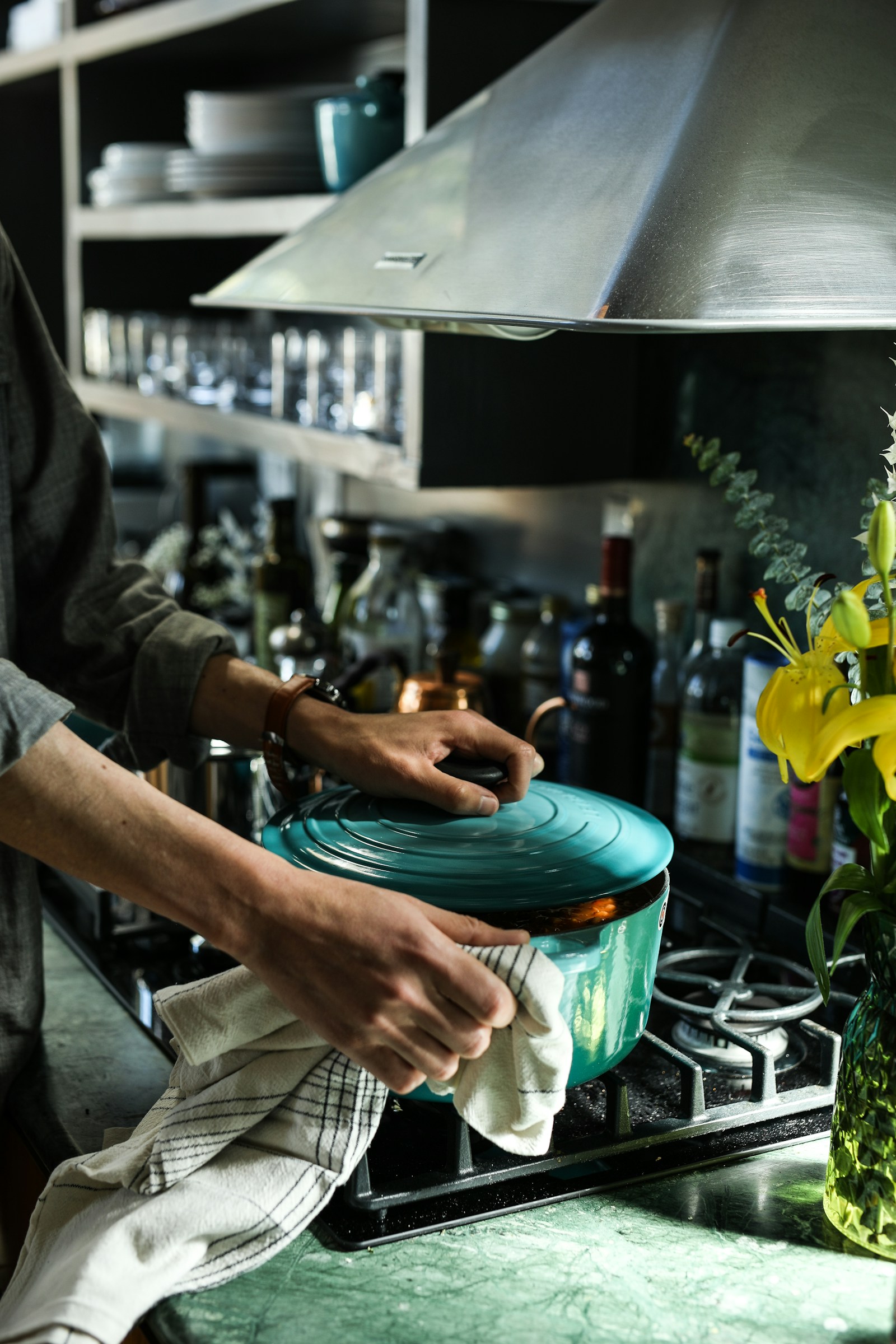
A solo traveler can enjoy a cooking class in Ubud as a useful half-day activity when the format matches the reason for travelling alone. You may want a structured way to learn about Balinese food, a chance to meet other guests or a calm activity that gives the day a clear shape. The right class should make the time feel purposeful without filling every minute.
Before booking, check more than the menu. Group format, start time, transport, hands-on work, social contact and the meal all affect whether the class feels comfortable. A half-day activity is valuable when it gives you enough space to learn and still leaves energy for the rest of Ubud.
Decide what you want from a half-day class
Start by naming the result you want. A solo traveler who wants conversation may prefer a scheduled shared class. Someone who wants direct instruction may prefer a private booking or a smaller group. If you are looking for cultural context, ask whether the teacher explains ingredients, techniques and the place food has in everyday life.
Do not choose only because the class is described as authentic or interactive. Those words can cover very different formats. Ask what you will prepare, how the instructor teaches and whether the class ends with a meal. Clear details are more useful than a broad promise.
Check whether the social format suits you
Meeting other guests can be one of the best parts of travelling alone, but it should not be an obligation. Ask whether the class is shared with other bookings, how many people usually attend and whether solo guests are placed at one table or given their own station.
If you are quiet or travelling after a busy week, look for a setting where questions are welcome without constant group performance. A structured demonstration followed by hands-on preparation may feel easier than an activity built around introductions and conversation.
Private does not automatically mean better for a solo guest. It can provide more direct guidance, but a shared class may offer the social contact you actually want. Match privacy to your purpose rather than treating it as a quality score.
Ask how much of the class is hands-on
Find out whether you will chop, grind, season and cook or mainly observe while the instructor works. A half-day class should give you enough practical time to understand at least a few techniques, not only watch a sequence of demonstrations.
Ask how tasks are arranged for one person. Some recipes are easier when two guests share a bowl or preparation board. A good instructor can explain how a solo guest will work through the menu without being rushed or left waiting.
Also ask whether the lesson is suitable for beginners. You do not need professional cooking experience to learn, but you do need instructions that are clear enough to follow. The class should leave room to ask for a step to be repeated.
Understand the total time, not only cooking time
When a provider says half-day, check what that includes. The schedule may contain pickup, a market visit, an introduction, ingredient preparation, cooking and a shared meal. Each part can be useful, but the complete time matters when you are planning another activity.
Ask for the expected start and finish time and whether the timing is fixed. If you have a temple visit, spa appointment or evening performance later, leave a buffer. A solo traveler may move quickly, but transport and a longer conversation with the host can still change the pace.
Consider your energy as well as the clock. An early market visit can suit someone who enjoys mornings, while a later class may be more comfortable after arrival or a long journey. Choose the time that lets you pay attention rather than simply filling an empty block.
Compare a market visit with a direct class
A market visit can add context to a cooking lesson by showing ingredients before they are prepared. It may appeal to a solo traveler who wants to understand local produce and start the day with a clear activity. Confirm how much walking and standing the market portion involves.
A direct cooking class may be the better choice when you want more time at the workstation or a gentler schedule. Ask whether the class menu and hands-on tasks stay the same when the market visit is removed. Do not assume that the shorter route includes the same meal or teaching time.
Choose the format that supports your attention. A longer itinerary is not automatically more cultural if you spend the second half watching the clock or looking for somewhere to rest.
Check the menu and dietary boundaries
Ask how many dishes you will make, whether the finished food is your meal and whether the menu changes with seasonal ingredients. A smaller menu can provide more time to understand a spice paste or cooking method. More dishes can be enjoyable when the pace remains manageable.
Share allergies, intolerances and dietary preferences before confirming the booking. Ask whether vegetarian, vegan or other substitutions are possible and whether they need advance notice. A general statement about flexibility is not a substitute for a confirmed answer.
If you avoid an ingredient, ask how it is handled during preparation. Cross-contact, shared sauces or a separate serving can affect whether the class is suitable. Clear questions protect your meal and help the instructor prepare responsibly.
Ask about transport and the meeting point
Confirm whether pickup is included from your accommodation in Ubud and how locations outside Ubud are handled. Some current providers quote outside-area transport after receiving the address.
Ask whether the meeting point is easy to find and whether you return to the same place. Keep the contact details and start time where you can reach them during the morning. A simple transport plan makes a solo activity feel much easier.
Leave time for traffic and for finding the vehicle or entrance. If the class begins at a family compound, garden or other setting away from the main road, ask what landmark or instruction will help you arrive without stress.
Think about comfort and safety
Ask whether you will stand for most of the lesson and whether seating is available during demonstrations or the meal. Heat, knives, hot oil and uneven surfaces are normal considerations in a kitchen environment. You should know what the session involves before you arrive.
Tell the provider about a mobility concern, injury or other need that affects standing, walking or reaching. A solo traveler cannot rely on a companion to explain the issue or share a task, so direct communication matters.
Wear clothing and shoes that allow comfortable movement and can handle cooking work. Keep valuables secure and follow the instructor’s directions around equipment. Practical preparation lets you focus on the food and the conversation.
Use the meal as part of the learning
The meal at the end is not only a reward. It gives you a chance to notice how the techniques, seasoning and ingredients come together. Ask whether you eat the dishes you prepare and whether recipes or notes are available for later reference.
A shared table can also make a solo booking feel less solitary. You may eat with the instructor, another booking group or only the host and staff. Confirm the arrangement if the social element is important to you.
Do not judge the experience only by the number of dishes. A class that explains one method clearly and lets you practise it may be more useful than a hurried menu with many items.
Pair the class with the rest of your Ubud day
After cooking, choose an activity that matches your remaining energy. A slow walk, a museum visit, a quiet meal or time at your accommodation may fit better than another demanding tour. Ubud is known for culture and green landscapes, so the day can feel complete without constant movement.
If the class is in the morning, leave the afternoon open enough for a change of plan. If it is later in the day, eat lightly beforehand and confirm how the meal affects your evening. The best half-day activity gives you options after it ends.
Use the broader guide to solo travelers friends and multigenerational groups Ubud cooking experience when you want to compare the needs of different group formats before choosing a class.
Make the booking decision simply
Before paying, confirm the date, start time, total duration, group format, menu, dietary handling, transport, meeting point, price, cancellation terms and what happens if the minimum group size is not reached. Save the answer with your itinerary.
A cooking class is a good half-day activity for a solo traveler when it offers the right balance of structure, participation and freedom afterward. Choose a format that lets you learn at a comfortable pace, ask questions and enjoy the meal without feeling that you are completing a checklist.
For the current destination and booking context, review Cooking Lessons Ubud before confirming your Ubud cooking plan.