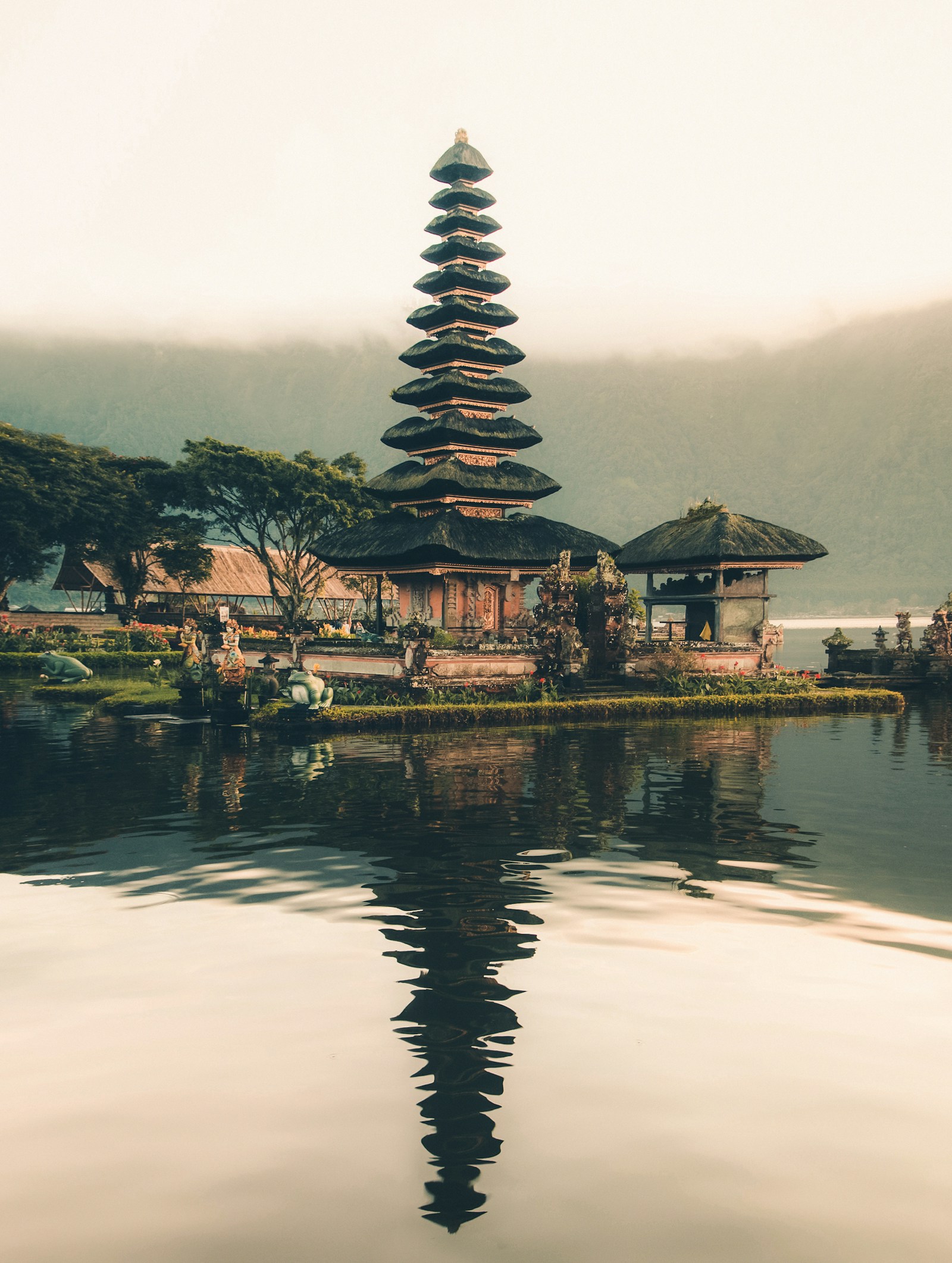
Ubud Water Palace is a useful cultural stop to plan when you want architecture, gardens, lotus ponds, and a quieter connection with Balinese tradition in central Ubud. The official site also identifies it as Pura Taman Kemuda Saraswati, a sacred space dedicated to Dewi Sarasvati. That name matters because visitors can confuse the Water Palace with other Ubud palace references, even though they are separate places with different planning details.
This is an official-source visitor guide, not a first-hand review. The site describes the architecture, history, gardens, and cultural setting, while hours and access conditions remain subject to change. Check the official Visit Us information before setting a fixed route.
What can you see at Ubud Water Palace?
The official description focuses on traditional Balinese architecture, nature, gardens, carved statues, and lotus ponds. It presents the water, stone, and wood details as part of a cultural setting rather than as isolated decorations. The ponds and garden elements are important to the visual character of the site, but a respectful visit should also recognize that the place has religious meaning.
The official site describes Pura Taman Kemuda Saraswati as dedicated to Dewi Sarasvati and connects the palace with Bali’s cultural and artistic heritage. It also describes performances of traditional dance and gamelan as part of the wider cultural life of the place. Because events and ceremonies are schedule dependent, do not promise a performance unless you have verified the current program for your date.
Where is the Water Palace?
The official Visit Us page lists the address as Jalan Raya Ubud No. 14, Ubud, Gianyar. Use that exact location in your map application. Central Ubud has several landmarks with palace, temple, garden, or market wording in their names, so a broad search for “Ubud Palace” can lead to a different destination.
Plan the arrival as a central Ubud visit rather than assuming that every nearby attraction is a short, comfortable walk. Traffic, heat, rain, road works, crowds, and the condition of the pavement change the practical route. If you are traveling with children, older guests, or anyone with mobility limitations, check the access route and allow additional time.
Opening hours and exceptions
At the time checked, the official site listed opening from 8 AM to 7:30 PM Saturday through Thursday, and from 8 AM to 9 PM on Friday. It also notes exceptions for Nyepi and private ceremonies. These are important operational details, but they should be rechecked because religious calendars, ceremonies, maintenance, or private use can affect access.
Friday’s later listed closing time does not automatically mean that every area or activity runs late. A site can remain open while certain spaces, performances, or visitor services operate on a separate schedule. Ask the official channel if a particular event is the reason for your visit.
Do not plan the final day in Bali around a last-minute visit without checking closures. Nyepi is a major island-wide observance with exceptional conditions, and a private ceremony can affect a sacred site even when a third-party guide shows ordinary hours.
How to visit respectfully
A water palace and temple setting deserves a different attitude from a purely commercial attraction. Follow signs, barriers, staff instructions, and any dress requirements. Avoid touching carved surfaces, entering restricted areas, or treating a religious space as a prop. Keep voices controlled where the setting calls for quiet and ask before photographing ceremonies or people.
The official site emphasizes spiritual and cultural meaning alongside design. You do not need specialist knowledge to behave respectfully. Arrive with enough time to look carefully, read the available information, and leave space for worshippers and ceremonies. If a section is closed, accept the restriction instead of searching for an alternative entrance.
How long should the stop take?
The official information gives opening windows but does not set a universal visit length. A short architectural stop may take less time than a visit that includes gardens, photography, cultural interpretation, or an event. Build a flexible block into your itinerary and allow for the fact that central Ubud traffic can make a short distance take longer than expected.
It is better to plan one or two nearby stops well than to list every central attraction as if the route were frictionless. If the Water Palace is important to you, place it early enough that a temporary queue or ceremony does not remove the opportunity completely.
Keep nearby places separate
The official Water Palace site also describes Cafe Lotus as a separate place with views over the Saraswati Temple and lotus pond and a Balinese and Indonesian menu. That information should not be used to merge the cafe, temple, and palace into one business or one ticket. Confirm which place you are booking or entering and use the name shown by the current operator.
The same care applies to the phrase Ubud Palace. Search results may include Puri Saren Agung, the Water Palace, and other cultural references. A reliable itinerary names the exact entity, address, hours, and reason for visiting instead of using a broad label for all of them.
How to pair the visit with a food activity
Ubud Water Palace can fit before or after a meal, tea stop, or cooking lesson, but allow time for transitions. A cooking lesson is not simply another sightseeing stop: the group needs to arrive ready to participate and may spend time preparing ingredients, cooking, and eating. Our guide on how long a cooking class in Ubud takes can help you avoid placing the activity inside an unrealistic gap.
If learning Balinese food is part of the trip, use the Cooking Lessons Ubud homepage for the operator’s current format. Keep the cultural visit and the cooking experience distinct so that each receives the time and respect it needs.
Final checklist
- Confirm that you are going to Ubud Water Palace, also called Pura Taman Kemuda Saraswati, not another palace reference.
- Recheck the address, opening hours, Nyepi conditions, and private-ceremony exceptions.
- Wear clothing and choose behavior that respect a sacred cultural space.
- Ask separately about performances, photography, and any event schedule.
- Leave a buffer for central Ubud traffic and route changes.
Ubud Water Palace is best approached as a living cultural place with beautiful architecture, not as a checklist photo backdrop. The official information gives visitors a clear foundation: know the name, confirm the current access conditions, and allow the setting to be experienced at its own pace.